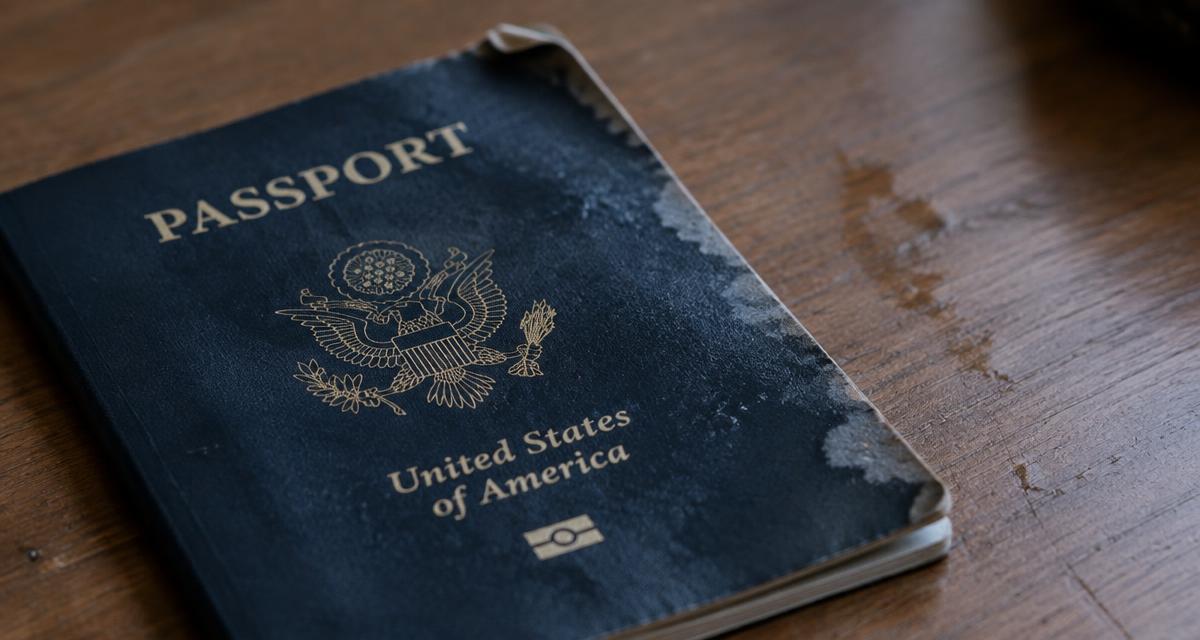
A scuffed cover tells a different story from a swollen data page. Passports are carried, opened and stamped, so ordinary wear is expected. The concern begins when damage affects identity details, security features, pages or the booklet's structure. If you are holding it under a lamp trying to decide whether the photo is still readable, ask the issuing authority before an airline employee has to make that judgment at the airport.
What usually counts as normal wear
Passports are designed to be carried. A slightly bent cover, rounded corners, a faded cover or a few worn pages from years of use are generally treated as normal. Stamps and visas filling the pages are expected. Passport authorities typically describe normal wear as damage that does not affect the security features or your ability to be identified.
What often counts as significant damage
- Water damage that has stained, warped or blurred pages, especially the data page.
- Torn, missing or loose pages, or a cover separating from the booklet.
- A data page where the photo, name, number or machine-readable lines are hard to read.
- Ink, burns, holes or tears affecting the photo or personal details.
- A damaged or non-working chip in an electronic passport.
- Pages removed by the holder, even blank ones, or unofficial writing on official pages.
Damage to the data page is the most serious, because that page is what machines and officers use to confirm who you are. A passport that will not scan at an automatic gate may simply mean a manual check — or it may lead to closer inspection and refusal.
Why a damaged passport is a real risk
Airlines can be fined for carrying passengers without valid documents, so check-in staff are trained to refuse passports that look altered or unreadable. Border officers may treat damage as possible tampering. Even if you leave home without a problem, the same passport might be rejected on the way back or at a connection. The cost of a replacement is almost always lower than the cost of a missed trip.
How damage is handled when you replace it
Many authorities do not treat a damaged passport as a simple renewal. In the United States, for example, a significantly damaged passport generally has to be replaced with a new application submitted in person, along with a statement explaining the damage. Other countries have their own forms and may ask you to send in the damaged passport. Check your passport authority's guidance before you apply, and allow for processing time — our guide on how long it takes to get a passport explains how to plan it.
A quick self-check before you travel
- Is the data page flat, clean and fully readable, including the two lines of code at the bottom?
- Is your photo clear and undamaged?
- Are all pages present and firmly attached to the cover?
- Is there any sign of water, ink or heat damage on security features?
- Does your passport still have enough validity? Check it with our passport validity checker.
If you answered no to any of the first four, contact your passport authority for advice before travelling. Your airline can sometimes say whether it would accept the document, but it cannot promise how a foreign border will respond.
Photograph the problem when asking for help
If the passport office or airline accepts questions online, describe exactly where the damage sits and when it happened. A clear photo may help them understand the issue, but never post the image publicly: the data page contains information useful for identity fraud. Even written reassurance from a carrier cannot bind a foreign border officer, so treat uncertainty as a reason to discuss replacement.
Protecting your passport
A simple waterproof cover, keeping your passport away from drinks and sun cream in your bag, and never trimming, stapling or writing on pages prevent most problems. Keep a digital copy of the data page in case the physical document is damaged or lost; see our guide on what to do if you lose your passport abroad.
Official sources
- United States: Damaged passports
- United Kingdom: GOV.UK — Replace a damaged passport
Acceptance is decided by the issuing authority, carriers and border officers. When the damage reaches a security feature or identity detail, seek an official assessment rather than relying on appearance alone.
How to judge the damage yourself
Before contacting anyone, look at your passport the way a border officer would. Open the data page — the laminated page with your photo — and check whether the laminate is lifting, whether any print is obscured, and whether the photo is fully intact. Then check the chip: if the cover is bent sharply, cracked or waterlogged, the chip may be dead even when the pages look fine. A passport with a failed chip can be rejected at e-gates and treated with suspicion at manned desks. Finally, flip through the visa pages: tears, missing pages or unofficial markings — including novelty stamps from tourist attractions — can all count as damage or alteration.
Water damage deserves special mention. A passport that has been through a wash cycle may look acceptable once dry, but the laminate often bubbles and the chip often fails. Treat any washed passport as damaged until an official tells you otherwise.
What to do if you discover the damage abroad
If you notice the damage mid-trip, contact your country's nearest embassy or consulate before your travel day rather than testing the passport at the airport. Consulates can issue emergency travel documents, and sorting it out at an embassy is far less stressful than being refused at a departure gate. Keep the damaged passport even after replacement — you may need it to show entry stamps or valid visas, and some countries ask you to carry both documents together until the old visas are transferred or reissued.
Back home, report and replace the passport through the official channel. Many countries treat a damaged passport similarly to a lost one for replacement purposes, and you may need to explain how the damage happened. Do not attempt repairs yourself — tape, glue or lamination makes the document look altered, which is worse than damaged.