
Begin with the border you will actually cross. A flight to Cancún, a drive into Baja and a cruise call at Cozumel may all end in Mexico, but they do not create the same document check. Air passengers should plan on a valid passport book. Land and sea journeys can involve other documents for some US citizens, especially on the return journey, so the itinerary matters as much as the destination name.
Flying to Mexico
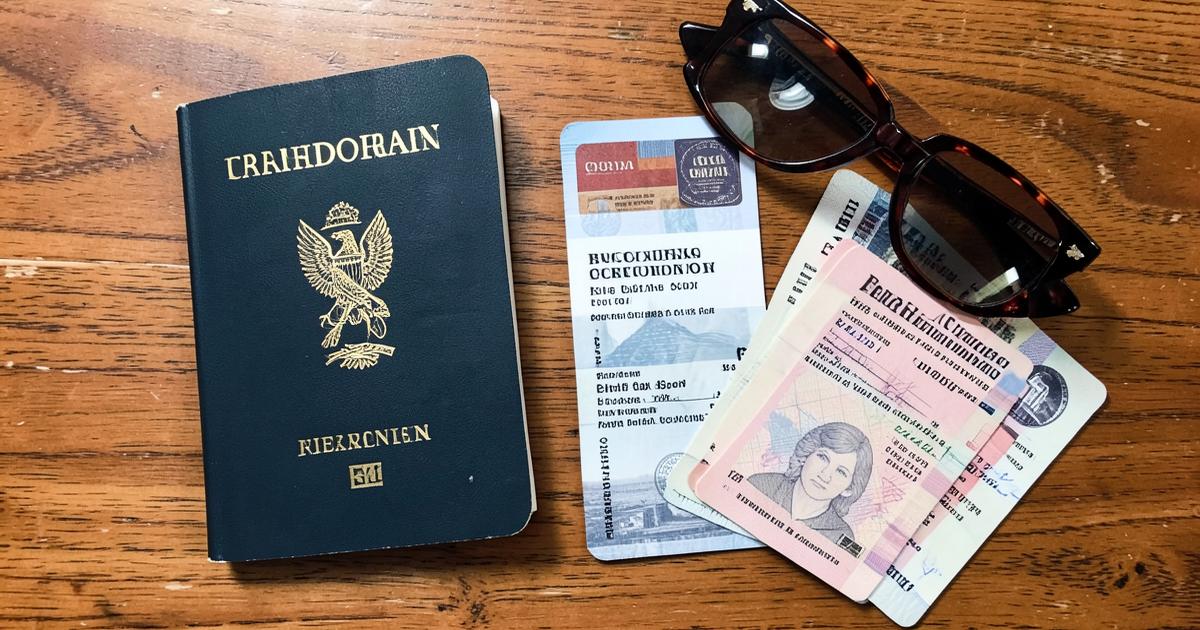
Air travel is the simple case. To board a flight to Cancún, Mexico City, Los Cabos or anywhere else in Mexico, you need a passport book. A passport card does not work for air travel. A driver’s licence, even an enhanced one, does not work for air travel. A birth certificate does not work for air travel. Airlines check this at the gate because they are the ones fined if they carry an inadmissible passenger, so the check is strict and unsentimental.
Mexico generally requires your passport to be valid for the duration of your stay rather than six months beyond it, which is more forgiving than many destinations. But two things can still catch you out: airlines that apply their own six-month rule to be safe, and onward or connecting travel through a country that genuinely does require six months. If your passport expires within half a year of your return date, renew it before booking rather than after.
Driving or walking across the land border
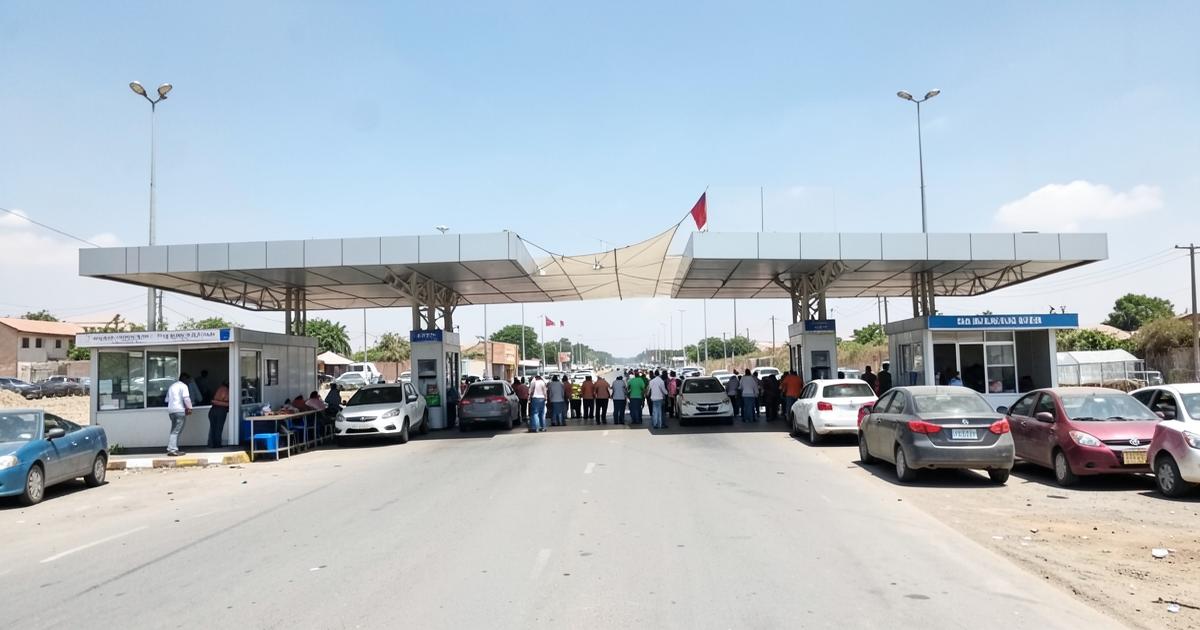
This is where the alternatives exist, and they concern re-entry into the United States as much as entry into Mexico. Under the Western Hemisphere Travel Initiative, US citizens returning by land or sea may present a passport book, a passport card, a trusted traveller card such as SENTRI, NEXUS or Global Entry, or a state-issued Enhanced Driver’s Licence where available. US citizen children under 16 may present a birth certificate.
Two important caveats. First, none of the alternatives to a passport book work if your plans change and you need to fly home — a very common scenario for anyone driving to Baja or Sonora for a week. Second, entering Mexico is a separate matter from re-entering the US: Mexican immigration expects a valid passport, and if you travel beyond the border zone or stay more than a short period you must obtain and keep an FMM tourist permit or its current electronic equivalent.
The tourist card and the entry stamp
Mexico has moved much of its immigration processing to a digital stamp recorded at entry, with an officer writing the number of days you are permitted to stay. Do not assume you have been granted 180 days. Officers increasingly grant shorter periods — sometimes 30 days, sometimes less — based on your stated plans and your return ticket. Check what you were actually given before you leave the airport hall, because overstaying triggers fines and potential problems on future visits.
If you receive a paper FMM, keep it with your passport for your entire trip and surrender it on departure. Losing it means paying a replacement fee at the airport, usually at the exact moment you have the least time to spare.
Do you need a visa for Mexico?
Citizens of the United States, Canada, the United Kingdom, the EU, Japan and many other countries do not need a visa for short tourist visits to Mexico. Some nationalities do, and others qualify for a simplified route: holders of a valid US, Canadian, UK, Japanese or Schengen visa, or permanent residence in one of those places, can often enter Mexico without applying for a Mexican visa separately. Because that policy has real conditions attached, confirm it on the official Mexican government or consulate site for your country before relying on it.
Cruise passengers and sea arrivals
If you stop in Cozumel, Progreso or Ensenada on a closed-loop cruise that starts and ends at the same US port, US citizens can technically sail with proof of citizenship plus photo ID. As with any cruise, the risk is not the paperwork at the pier — it is what happens if you miss the ship or need to fly home from a Mexican airport. That flight requires a passport book you do not have. Carry the passport.
Travelling with children
Every child flying to Mexico needs their own passport, including newborns. If a child is travelling with only one parent, with grandparents or with a school group, carry a notarised consent letter from the absent parent or parents along with proof of the relationship. Mexican authorities and airlines both have the discretion to ask, and the request usually arrives at check-in rather than in advance.
Quick checklist before you book
- Passport book for every traveller if any part of the journey involves a flight.
- Validity comfortably beyond your return date — six months removes all doubt.
- A blank page for the entry stamp.
- Return or onward ticket and accommodation details for immigration questions.
- Your FMM or digital entry record, kept for the whole trip.
- Travel insurance including medical evacuation, which is not cheap to arrange after the fact.
- Consent letters for children travelling without both parents.
- Digital copies of everything, saved somewhere you can reach from a phone.
Read the journey in both directions
A road trip can quietly become an air trip. A car problem, family emergency or changed plan may mean flying home from Mexico, where a passport card or birth certificate will not replace a passport book. Before choosing the minimum document allowed for a land crossing, ask what you would need for the fastest realistic journey home. That is often the more useful planning question.
One check that is easy to overlook
People check whether their passport is expired. Very few check whether it will still satisfy the rules on the day they land and the day they fly home, and fewer still check whether an airline’s own policy is stricter than the country’s. That gap is why travellers are turned away at check-in with a passport that is, in a narrow sense, perfectly valid.
Rules for Mexico are set by Mexican authorities and change without much warning. Verify with the Mexican National Institute of Migration or your nearest Mexican consulate, and check your own government’s travel advice. Then run your passport expiry date and travel dates through the free checker on this site to see the last date your document is safe for the trip you are planning.