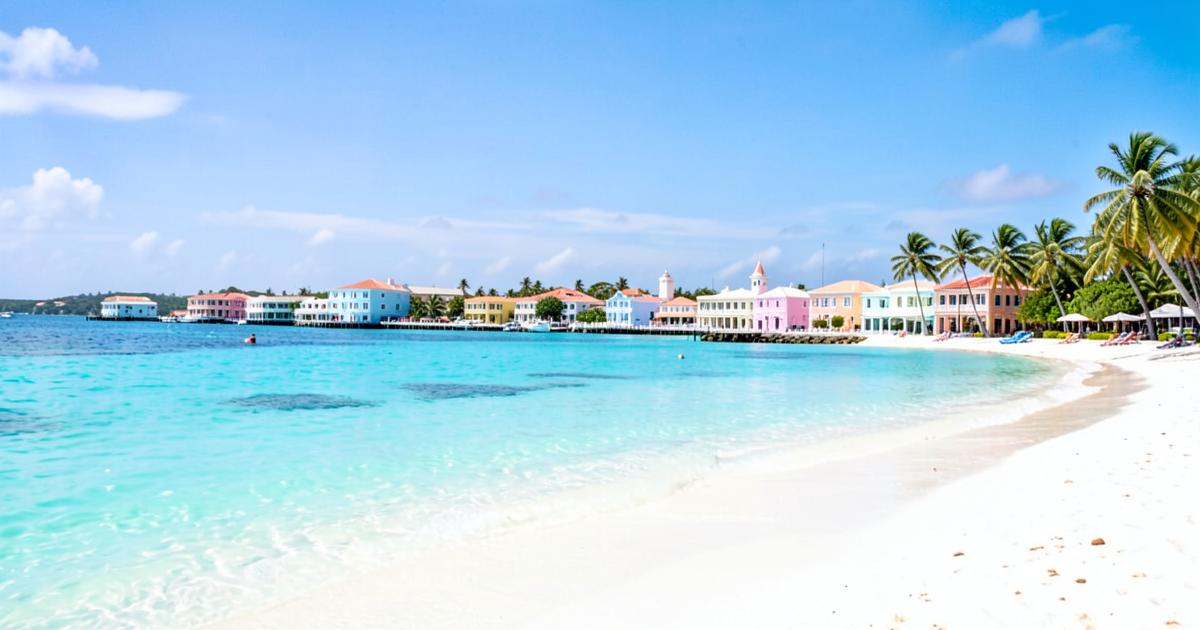
A Bahamas trip can look deceptively simple on a booking screen: a short flight from Florida or one sunny port call on a cruise. The document answer changes with that one detail. Flying travellers should plan to carry a valid passport book. Some US citizens on qualifying closed-loop cruises may use other documents, but doing so leaves fewer options if the trip changes unexpectedly.
Flying to the Bahamas
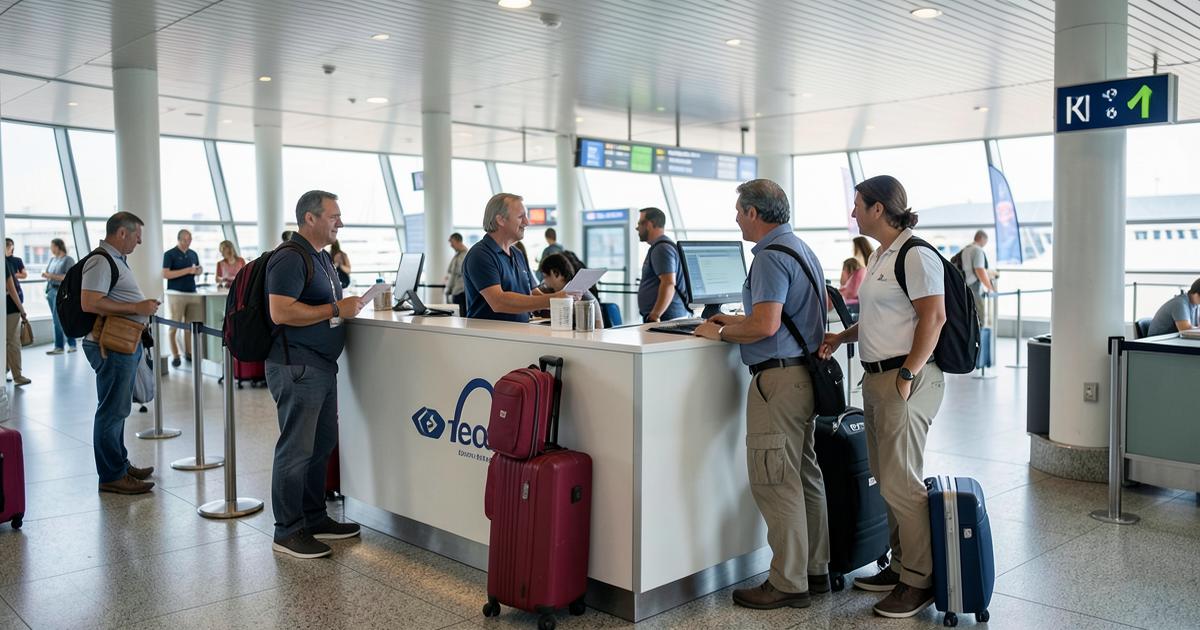
If you arrive by air, plan on a passport book. Airlines will not board you for an international flight without acceptable travel documents, and for the Bahamas that means a passport that is valid, undamaged and machine readable. This applies to US, Canadian, British, EU and most other nationalities. Children are not exempt: infants and toddlers each need their own passport, and a family cannot travel on one document the way it once could decades ago.
A second question follows immediately: how much validity does your passport need? The Bahamas generally expects your passport to be valid for the duration of your stay, which is more relaxed than the six-month rule applied by many destinations in Asia and the Middle East. Even so, airlines sometimes apply stricter internal rules, and a connecting itinerary through a third country can pull a six-month requirement into your trip without you noticing. If your passport expires within six months of your travel dates, check it before you book.
Do you need a visa for the Bahamas?
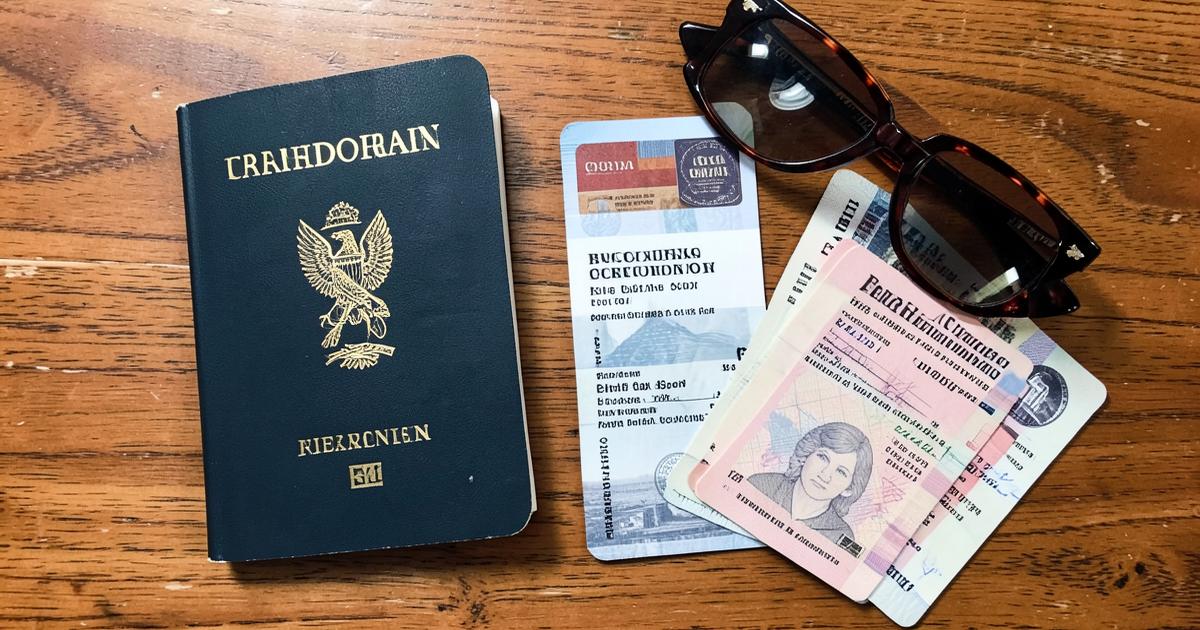
Visa policy and passport policy are different things, and travellers often conflate them. Many nationalities — including citizens of the United States, Canada, the United Kingdom and most European Union countries — can visit the Bahamas for tourism for a limited period without a visa. That does not remove the passport requirement; it simply means you do not need a sticker or an approval in advance. Other nationalities do need a visa arranged before travel, and the list changes.
Whatever your nationality, immigration officers can ask for proof that you intend to leave: a return or onward ticket, an address where you are staying, and evidence you can support yourself. Bahamian immigration also expects arriving visitors to complete the online immigration and customs declaration before travel. Requirements like this appear and disappear with little publicity, so check the official Bahamas immigration website close to departure rather than relying on a blog post — including this one.
Arriving by cruise ship
This is where the genuine exception lives. Under the US Western Hemisphere Travel Initiative, US citizens on a closed-loop cruise — one that begins and ends at the same US port — may re-enter the United States with a government-issued photo ID plus proof of citizenship such as an original or certified birth certificate, instead of a passport book. Many travellers to Nassau or Freeport sail exactly this kind of itinerary, which is why the “you don’t need a passport” claim circulates so widely.
The claim is technically true and practically risky. If you fall ill, miss the ship at a port of call, or the sailing is cut short by weather or a mechanical problem, you will need to fly home — and you cannot board an international flight back to the United States on a birth certificate. Travellers stranded in Nassau without a passport have to arrange emergency documents through their embassy, at their own cost and on the embassy’s timetable. Cruise lines themselves recommend a passport for this reason, and some now require one outright depending on the itinerary.
Non-US citizens sailing from a US port
If you are not a US citizen but you board a cruise in Miami, Fort Lauderdale or Port Canaveral, the closed-loop exception does not help you. You need your passport, plus any US visa or ESTA authorization required for your nationality, and you must satisfy Bahamian entry requirements as well. Permanent residents of the United States should carry their green card alongside their passport. The same logic applies to Canadian citizens flying into the US to join a ship: the flight itself is an international flight and requires a passport.
Private boat, ferry and small aircraft arrivals
Arriving on a private yacht or small plane does not relax anything. You must clear in at a designated port of entry, present passports for every person aboard, complete a cruising or aviation clearance, and pay the applicable fees. Boaters sometimes assume that because they never enter a terminal, the process is informal. It is not — undeclared arrivals are treated seriously, and the penalties range from fines to seizure of the vessel.
A practical document checklist
- Valid passport book for every traveller, including infants.
- Enough remaining validity for your whole trip, ideally six months to be safe.
- At least one blank page for stamps.
- Return or onward ticket, and your accommodation address.
- The Bahamas online immigration and customs declaration, completed before departure.
- Travel insurance covering medical care and evacuation.
- For divorced or single parents travelling with children: a consent letter from the other parent, which border officers do sometimes request.
- Photos or scans of every document, stored somewhere you can reach without your bag.
A useful way to check a family booking
Read the reservation one traveller at a time rather than treating the family as a single booking. A parent may have a passport while a child has only a birth certificate; one person may be flying to the departure port while everyone else is driving. Write each name beside each journey segment and the document that covers it. That simple list exposes gaps that are easy to miss when all the confirmations sit in different emails.
What actually goes wrong
The expiry date is only one possible weak point. A booking in a former surname, a damaged photo page or a passport that does not cover a connecting country can also stop a journey. These are usually manageable when discovered before departure and much harder to solve at a check-in desk.
Verify before you go
Entry rules for the Bahamas are set by the Bahamian government and can change without much notice, and the documents your carrier accepts are a separate question again. Confirm with the official Bahamas immigration authority, your own foreign ministry’s travel advice page, and your airline or cruise line. Then run your dates through the free checker on this site to see the exact last date your passport is safe for the trip you are planning.