
“A visa for Europe” is not one product. A weekend in Paris, a semester in Madrid and a job in Berlin lead to different processes, even when the traveller uses the same passport. First identify the countries, length of stay and purpose. Those three facts tell you whether to investigate a Schengen short-stay visa, visa-exempt travel with any required authorisation, or a national long-stay route.
What the Schengen area is
The Schengen area is a group of European countries that have abolished checks at their shared internal borders. A short-stay Schengen visa issued by one member is generally valid across all of them. Importantly, Schengen membership is not the same as EU membership: Ireland is in the EU but not in Schengen, while Switzerland, Norway and Iceland are in Schengen without being in the EU. If your trip includes Ireland or the UK, those are separate systems with their own rules.
The short-stay allowance is 90 days within any rolling 180-day period, counted across the whole area rather than per country. This is the rule people most often break by accident — the window rolls, so every day you spend inside the area is counted backwards over the previous 180 days, not reset by leaving and returning.
Which country do you apply to?
Not whichever consulate has the earliest appointment. The rule is:
- Apply to the country that is your main destination — where you will spend the most nights.
- If nights are split evenly with no clear main destination, apply to the country you will enter first.
- Apply in the country where you legally reside, not where you happen to be.
Many consulates outsource intake to an external visa application centre such as VFS Global or TLScontact. That centre collects your documents and biometrics; the consulate still makes the decision.
The documents you will be asked for
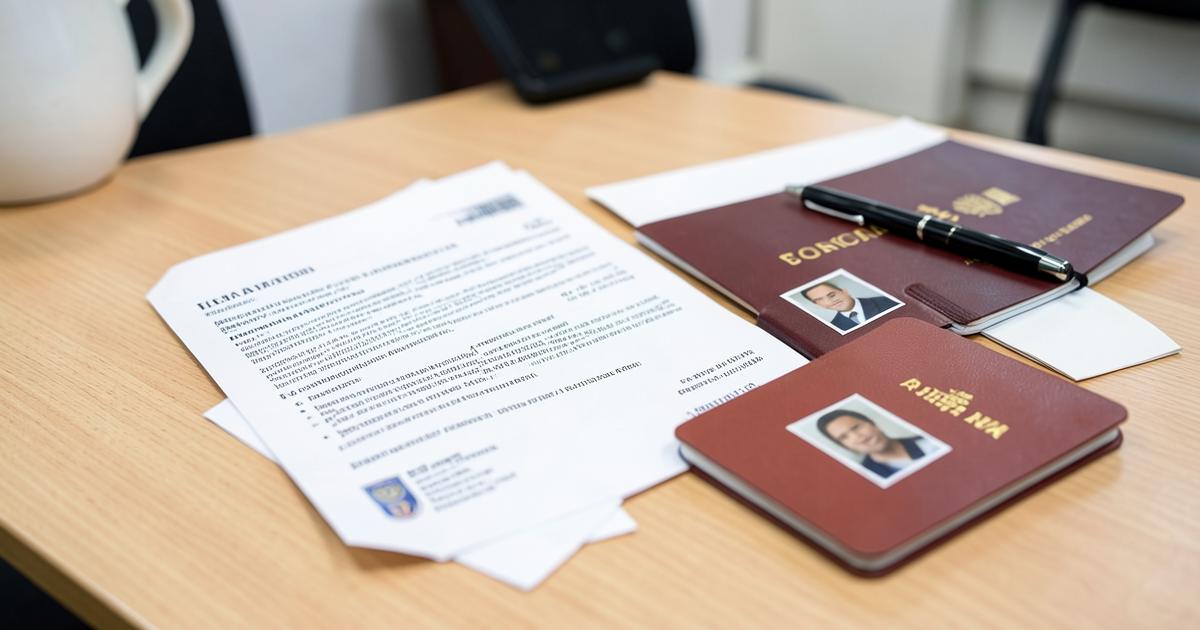
Requirements vary by consulate and by purpose of travel, but a tourist short-stay file almost always includes:
- The completed and signed application form for that consulate.
- A passport issued within the last ten years, valid for at least three months beyond your intended departure from the Schengen area, with at least two blank pages.
- Two recent biometric-standard photographs meeting the exact size and background specification.
- Round-trip flight reservations and a full itinerary — reservations, not necessarily paid tickets.
- Proof of accommodation: hotel bookings, a rental agreement, or a formal invitation letter from a host.
- Travel medical insurance valid across the whole area, covering at least €30,000 including repatriation.
- Proof of financial means: recent bank statements, payslips, or a sponsor’s letter with their evidence.
- Evidence of ties to home: employment letter, enrolment certificate, business registration, property.
- The visa fee receipt.
Biometrics — fingerprints and a photograph — are collected in person and reused for a period across subsequent applications, so a repeat applicant may skip that step.
Costs and timing
The standard adult short-stay visa fee has been in the region of €90, with a reduced fee for children and exemptions for certain categories; external centres add their own service charge on top. Consulates generally advise applying no earlier than six months before travel and no later than 15 calendar days before, and the standard processing target is around 15 calendar days, extendable to 45 when a file needs further examination.
In practice the binding constraint is the appointment queue, not the processing time. In peak season, appointment slots at busy consulates can be booked out for two or three months. Treat “apply as early as you reasonably can” as the operating rule.
ETIAS: for visa-exempt travellers
Citizens of many countries — including the United States, Canada, Australia, Japan and the United Kingdom — do not need a Schengen visa for short tourist stays. They are, however, moving into the ETIAS system: an online travel authorisation linked to the passport, obtained before departure, involving a short form, a small fee, and in most cases a rapid automated approval. It is an authorisation to board and be considered for entry, not a guaranteed entry, and it is tied to the specific passport you applied with. Renew the passport and you need a new authorisation.
Rollout dates for ETIAS have shifted more than once. Check the official EU page for the current status before assuming either that you need it or that you do not.
Long stays: national visas
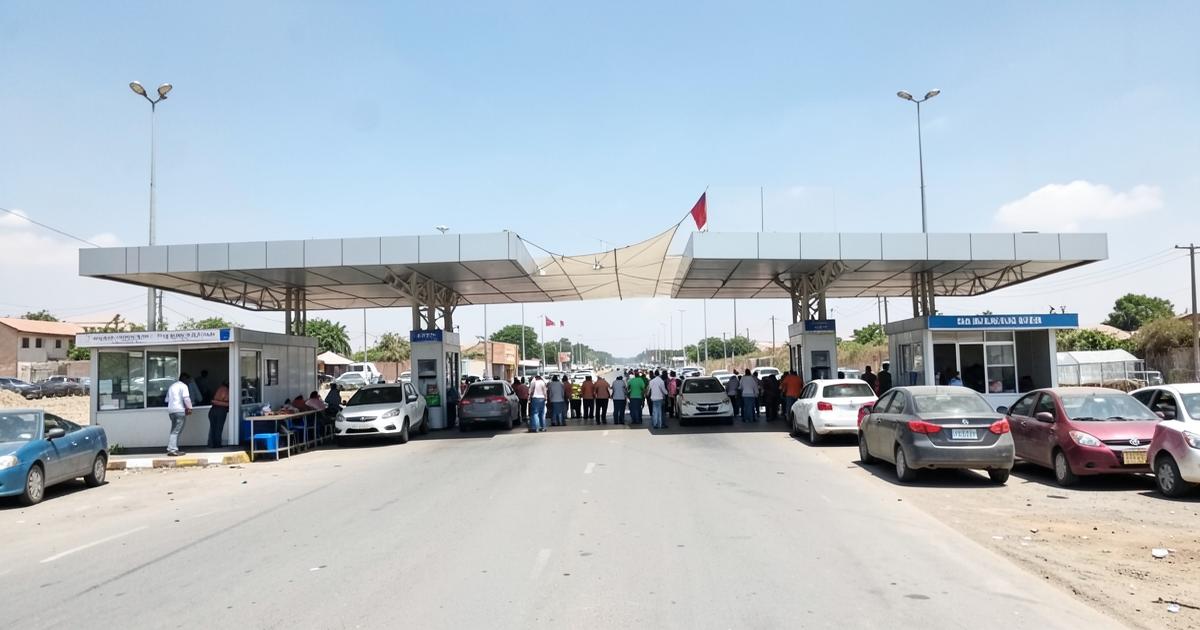
Anything over 90 days is a national matter. Each country issues its own long-stay visa, commonly labelled type D, for study, employment, family reunification, retirement or self-employment. The process is slower, more document-heavy, and usually requires legalised or apostilled certificates, translations, criminal-record checks and proof of income or sponsorship. Several countries also run digital-nomad and remote-work permits with their own income thresholds. Start three to six months ahead, and apply to that country’s consulate specifically — a Schengen visa cannot be converted into a long-stay one.
Why applications get refused
- Insufficient or unexplained funds relative to the itinerary.
- Weak evidence of intention to return — the most common single reason.
- Insurance that does not meet the €30,000 or coverage-area requirement.
- Inconsistencies between the form, the itinerary and the bookings.
- Passport too old, too close to expiry, damaged, or without blank pages.
- Previous overstays anywhere in the area.
A refusal comes with a stated reason and a right of appeal, and you can reapply — but a refusal on file makes the next application harder, so it is worth submitting a complete file the first time rather than a fast one.
Build one file that tells one story
A strong application is easy for another person to follow. The dates on the form should line up with the flights, hotel bookings, insurance and leave letter. Bank activity should make sense beside the planned cost of the trip. Before submitting, lay the papers out in date order and ask whether a reviewer could understand the journey without guessing. A neat file cannot guarantee approval, but contradictions create avoidable questions.
Check the official source, and check your passport
Visa rules, fees and ETIAS timings change, and the consulate handling your application has the final word on its own requirements. Confirm everything on the official website of the embassy or consulate you are applying to, and on the EU’s own visa pages. Then run your passport dates through the free checker on this site — the three-months-beyond-departure rule catches out more European trips than any other single requirement.