Travelling alone means being able to stay in the museum that interests you, change lunch plans without a vote and leave a day open. It also means making every practical decision yourself. A destination that suits solo travel should match your confidence, interests and tolerance for arranging transport, not simply appear on a list labelled safe.
The 25 places below offer different kinds of trip: compact city breaks, food-focused stays, quiet cultural routes and destinations that need more preparation. This is not a safety ranking. Conditions vary by neighbourhood, season and traveller; check current government advice and your own needs before booking.
Choose your style before your destination
Ask whether you want time alone or opportunities to meet people. They are not the same holiday. A private room with one group activity can offer both, while a social hostel may suit someone who enjoys spontaneous company. Read recent accommodation reviews for location, noise, reception arrangements and room security, not just the overall score.
For a first solo trip, make the first evening easy. Arrive when reception is available, know the transfer route and have a nearby dinner option. You can be adventurous tomorrow. If you have specific accessibility, identity-related or medical concerns, research those directly rather than assuming advice for another traveller applies to you.
25 solo travel ideas and the practical question each raises
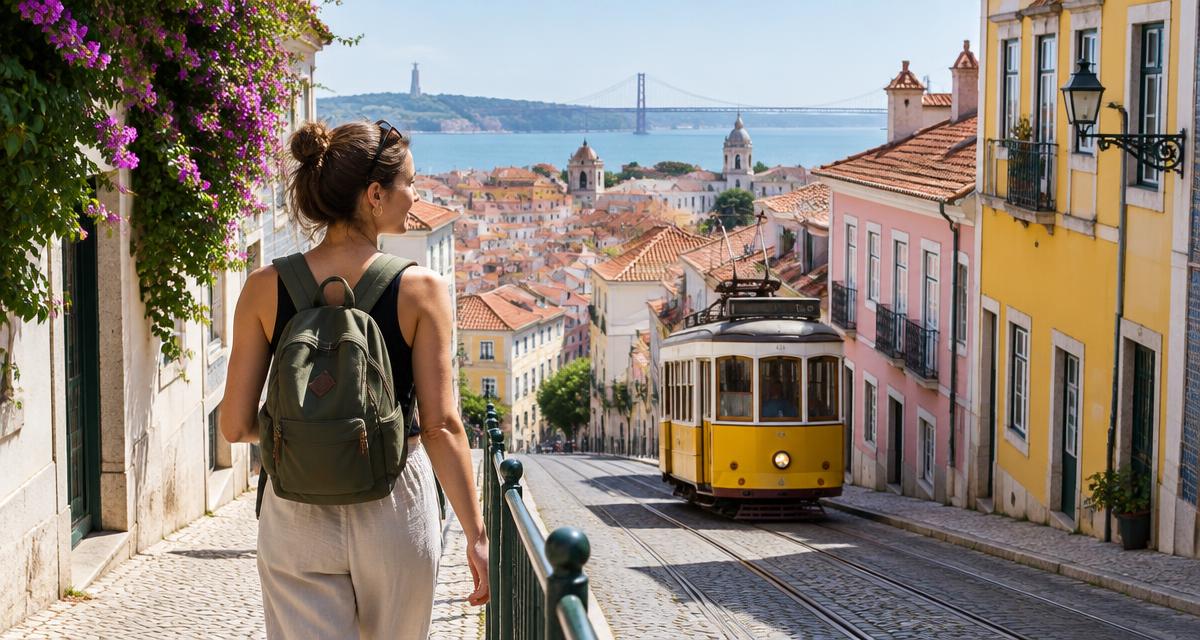
1. Lisbon, Portugal
A first city break with walking tours and neighbourhood cafes: Stay near useful transport, then explore one district each day. A group walk early in the trip can introduce the city without locking every afternoon into a tour schedule. Hills and crowded trams affect mobility; secure valuables and arrange a clear late-arrival route.
2. Porto, Portugal
A slower visit built around food and riverside walks: Make a riverfront walk the anchor, then choose a museum or food tour for company. Keeping one base gives you time to revisit a cafe without feeling that every hour needs a new attraction. Steep streets and wet paving need sensible footwear. Check return transport before an evening outside the centre.
3. Edinburgh, Scotland
History, bookstores and structured walking tours: The centre rewards exploration at your own speed. Combine a booked walking tour with quiet museum time, and leave a separate weather window for a hill walk rather than forcing it into a rainy afternoon. Festival periods can change accommodation costs sharply. Check weather and footing before walking on exposed routes.
4. Dublin, Ireland
Literary interests and conversation-friendly outings: Book one small-group experience early, then build around galleries, neighbourhood walks and places where you feel comfortable eating alone. Social travel need not mean nightlife; an afternoon tour can supply enough company. Check how you will return from evening activities. Do not assume a lively district removes normal theft risks.
5. Berlin, Germany
Independent museum visits and a varied cultural schedule: Plan days by neighbourhood and use the transport network to connect them. A solo trip allows time for one exhibition that really interests you instead of compromising with a group on every stop. Distances are substantial. Confirm opening days and keep a reliable route home rather than relying on your phone battery alone.
6. Prague, Czechia
An approachable historic-centre trip: Walk early for a calmer view of the old streets, then choose a guided history or food activity to meet others. Spending time beyond the best-known square can make the trip feel less crowded. Busy tourist areas need awareness of belongings. Check exchange terms carefully rather than choosing the nearest currency counter.
7. Budapest, Hungary
Architecture, baths and a mixture of quiet and social days: Balance a neighbourhood walk with a bath visit or group activity. Read the facility rules before arriving so that booking, changing and storage arrangements are not a surprise when you are alone. Confirm current bath access and transport schedules. Set your own alcohol limits and protect documents around nightlife venues.
8. Ljubljana, Slovenia
A compact city base with optional day excursions: Start with riverside walks and cafes before adding an organised outing. A smaller urban base can make a first solo trip feel manageable while still offering variety beyond a single sightseeing day. Countryside outings need transport planning. Check trail conditions and avoid turning a gentle city break into an unprepared hike.
9. Tallinn, Estonia
Old-town exploration and a short northern city break: Give yourself time to walk the historic centre without rushing, then add a museum or neighbourhood outside it. A short itinerary can work well if you want to test solo travel before a longer holiday. Cobbles, winter darkness and ice can change what is comfortable. Match activities to the actual season.
10. Stockholm, Sweden
Design, museums and waterfront exploration: Choose a base with straightforward transport and group nearby museums on the same day. Save any island excursion for a day when the timetable and weather allow an unhurried return. Check seasonal boat services and budget for meals individually. Long summer evenings do not replace personal safety planning.
11. Helsinki, Finland
A quiet pace with design and public cultural spaces: A museum, waterside walk and cafe can form a complete day. If a sauna interests you, read the venue procedures first so you know what to bring and what kind of setting to expect. Weather and sea crossings need checking. Verify seasonal services rather than assuming an excursion runs year-round.
12. Oslo, Norway
Art and waterfront walks with optional nature outings: Keep the first day close to central transport and let a museum anchor the route. Add a nature outing only after checking its difficulty and return connections, not because a map makes it look close. Weather, terrain and prices may require adjustment. Carry suitable layers and avoid unfamiliar isolated routes after dark.
13. Kyoto, Japan
Temple visits and a reflective, slower schedule: Choose one area rather than repeatedly crossing the city. An early walk, a booked cultural activity and an ordinary meal can be more rewarding than a list of temples visited in haste. Respect photography restrictions and residential areas. Popular locations get crowded; check transport rather than relying on walking everywhere.
14. Fukuoka, Japan
Food-focused travel without a sprawling capital itinerary: Explore one district around your base, then branch out with public transport. A food tour can help if you want company or need assistance explaining dietary needs before trying places independently. Check food ingredients and payment arrangements. Stall access and opening days vary, so keep another dinner option.
15. Taipei, Taiwan
Markets, museums and a public-transport city break: Pick a market or food activity as an evening focus and keep daytime plans geographically simple. A group excursion is an option when you want company without sharing accommodation or your whole itinerary. Rain, heat and allergies require planning. No destination is risk-free; keep documents secure in busy areas.
16. Singapore
A structured first solo visit with varied neighbourhoods: Divide the trip into garden, cultural and waterfront days rather than racing around every landmark. Reliable planning information helps you decide which tickets need booking and which outings can remain flexible. Check current local laws and entry rules. Heat and accommodation cost may matter more than the destination photograph suggests.
17. Chiang Mai, Thailand
A slower stay with cooking classes and cultural outings: Choose a practical base and consider a small-group class as your first social activity. Keep time for everyday walks rather than filling the schedule with excursions that leave little energy for the city itself. Check seasonal air quality and travel advice. Do not rent a motorbike without appropriate licensing, experience and insurance.
18. Hoi An, Vietnam
Food, craft interests and a relaxed historic-town base: Alternate the old town with a booked class or guided outing. A longer stay can let you choose calmer hours and avoid trying to combine arrival, shopping and sightseeing into the same afternoon. Heat, rain and flooding can affect plans. Confirm transfer arrangements and exercise care near roads and waterways.
19. Ubud, Bali, Indonesia
Retreat-style travel and creative activities: Choose the location carefully: a property described as being in Ubud may still require transport for meals. A class or organised walk can add company without making the trip dependent on nightlife. Traffic, uneven pavements and isolated accommodation need consideration. Research operators and transport rather than relying on social-media images.
20. Melbourne, Australia
Cafes, galleries and neighbourhood discovery: Use one central base and explore different areas on different days. A walking or food tour gives you a low-pressure introduction, after which you can spend longer in the places that suit your interests. Weather can shift within a day. Check transport ticket requirements and avoid an overlong excursion immediately after an overnight flight.
21. Wellington, New Zealand
A compact cultural base with waterfront walks: Plan around a museum visit and local cafes, then add outdoor activities when conditions suit. A smaller itinerary is helpful when you would rather get to know one place than move constantly. Wind and weather can change outdoor plans. Check ferry or flight conditions if the next leg depends on them.
22. Montreal, Canada
Food, festivals and neighbourhood-based exploring: Choose a base that makes daily transport easy, then group food and cultural stops by district. Solo travel offers room to attend one event for its full duration without negotiating a group departure. Season changes the trip considerably. Check festival dates, winter conditions and late-night transport before booking.
23. Seattle, United States
Markets, museums and a city-plus-waterfront trip: A market outing can anchor one day, with art or a waterfront walk on another. If you want to go beyond the city, compare an organised trip with the real effort of arranging transport alone. Check neighbourhood-specific advice and transport. Rain and limited daylight may make a shorter outdoor plan more sensible.
24. Mexico City, Mexico
An experienced traveller interested in food and museums: Pick a well-researched base and plan by neighbourhood because distances can be misleading. A reputable guided activity can offer context and help you understand how to explore responsibly on subsequent days. Review current government travel advice and local transport options. Allow for altitude, traffic and neighbourhood differences rather than using a blanket safety label.
25. Buenos Aires, Argentina
Culture, architecture and an unhurried urban stay: Combine museum or neighbourhood walks with a booked cultural event. Decide ahead how you will handle later dining hours, and keep a daytime social option if evening outings do not suit you. Check current payment and exchange arrangements. Protect valuables and arrange reliable transport for late returns.
Meeting people without surrendering your itinerary
Book something with a shared focus: a cooking class, neighbourhood walk, museum tour or guided outdoor outing. It creates conversation naturally and has a clear beginning and end. Check the operator’s meeting point and cancellation policy, and choose an activity you would enjoy even if you do not make a new friend.
You do not owe strangers access to your plans. Keep your room number private, choose public meeting places and leave an interaction whenever you feel uncomfortable. A friendly atmosphere is not evidence that everyone is trustworthy.
The extra costs of going alone
A room, transfer or private tour may cost almost the same for one traveller as for two. Compare the full itinerary before deciding a destination is inexpensive. A centrally located room may reduce taxi spending, while a remote bargain can create extra transport costs every evening. Check single supplements on organised trips and whether a shared-room option actually suits you.
A hypothetical example: five nights at 90 units costs 450 units. If your daily food and activity allowance is 45 units for five days, add 225 units, giving 675 units before flights, transfers and insurance. These are illustrative amounts, not destination prices. Add a reserve for a taxi or replacement night if a connection fails.
Estimate the whole cost of your solo trip
A practical solo-travel safety routine
- Send a trusted person your accommodation details and broad route.
- Keep a backup payment method separate from your everyday wallet.
- Save your accommodation address and emergency contacts offline.
- Check your late-arrival transfer before leaving home.
- Use current travel advisories and neighbourhood-specific information.
- Keep enough battery and money to return independently.
- Verify activity insurance and transport arrangements for excursions.
US Department of State: destination travel advisories
Visit Portugal: official trip inspiration
Japan National Tourism Organization: local planning guidance
Questions first-time solo travellers ask
Will I feel lonely?
You might sometimes, and that does not mean the trip has failed. Plan an optional social activity, keep in touch with someone at home and allow quiet days without treating them as a problem to solve.
Do I need to stay in a hostel?
No. A private room can work well, especially if you join occasional daytime activities. Choose accommodation for your comfort, security and sleep needs rather than an idea of how solo travel should look.
Which destination is safest?
This guide does not rank safety. Consult current official advice and research the exact places, activities and transport you plan to use. A country-level label cannot account for your whole trip.
How long should my first solo trip be?
A few nights in one base can help you learn your preferences without a complicated route. The useful length is one you can afford and manage comfortably, not a target set by someone else.
Give yourself an easy first day
Choose one base, arrange the arrival and keep the first day light. Once you know how the city works, decide how much structure you want. Your plan can change without the trip becoming a failure. Transport schedules, prices and local conditions require fresh checks; these suggestions are not guarantees.