Passport timing is really three clocks, not one: the appointment or mailing time, the authority's processing time and delivery back to you. The headline estimate often describes only the middle clock. Use the current figure from the authority that issues your passport, then build a plan around the parts that figure may not include.
Why processing times change
Passport offices see seasonal peaks. Applications usually climb in late winter and spring as people prepare for summer travel, and they can spike after a change in rules, a new document requirement or a backlog from a system update. Published estimates normally describe the time the office spends processing your application. They often do not include the days your application spends in the post on the way in, or the time it takes to mail the finished passport back to you. Add both when you plan.
A simple planning formula
Work backwards from your departure date. Start with the current official processing estimate, add mailing time in both directions, then add a buffer of several weeks for delays, missing documents or a photo that gets rejected. If the total takes you past your travel date, you need a faster service or a different plan. As a rule of thumb, many travellers apply at least three months before any international trip when they have no valid passport at all, and earlier still before peak season.
Remember that the date you need is not always the travel date. Many countries expect your passport to remain valid for three or six months beyond your stay. If your current passport expires soon, you may need a new one earlier than you think. Our passport validity checker shows the latest date your current passport can safely be used for a trip, and the passport validity guide explains how those rules are calculated.
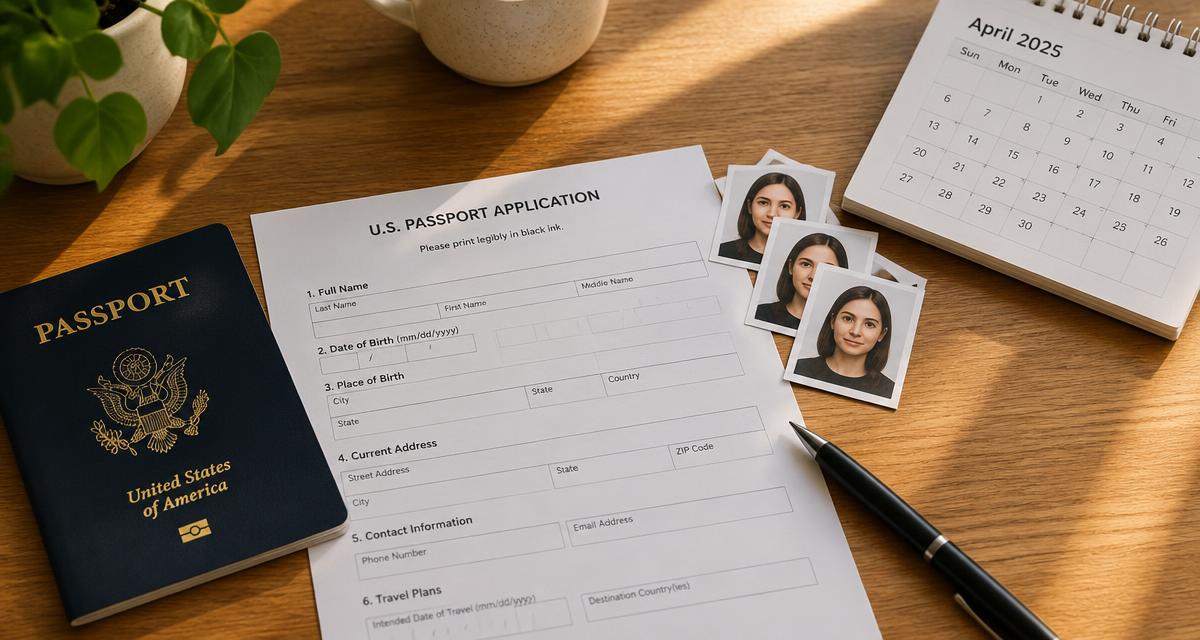
Standard, expedited and urgent services
Most passport authorities offer a standard service and at least one faster option for an extra fee. In the United States, the State Department offers routine and expedited processing by mail, and in-person appointments at passport agencies for people with urgent international travel coming up soon. In the United Kingdom, HM Passport Office offers standard applications online and faster paid services for some renewals. Canada offers standard, express and urgent pick-up at certain service locations. The names, fees and eligibility rules differ, and urgent appointments usually require proof of imminent travel such as a booked ticket.
Paying for speed does not guarantee a date. Faster services shorten the office's handling time, but an incomplete form, a missing supporting document or an unsuitable photograph can still send your application back to the start. Check the official checklist carefully before you submit.
First passport versus renewal
A first passport, a child's passport or a replacement for a lost one usually takes more work than a straightforward adult renewal. You may need to apply in person, prove your citizenship with original documents, and confirm your identity with a witness or an official. Children's passports often require consent from both parents or legal guardians. Some authorities also let adults renew online, which can remove the postage time entirely. If you are unsure which category you fall into, the official site normally has an eligibility tool that tells you which form to use.
Common causes of delay
- A photo that does not meet the size, background, lighting or expression rules.
- A missing or photocopied supporting document where an original was required.
- A name that differs between documents without proof of the change.
- An unsigned form, a wrong fee amount or an out-of-date form version.
- Applying during peak season without allowing extra time.
Do not book non-refundable travel too early
Some passport offices advise against booking travel until you have your passport, and some travel insurance policies will not pay out if you cannot travel because your passport did not arrive. If you must book early, choose flexible or refundable fares and read the insurer's exclusions. Track your application with the official status tool and keep your reference number handy.
Turn the estimate into calendar dates
Write the earliest and latest sensible arrival date on a calendar, then mark the last day on which you could still correct a rejected photo or missing document. This makes the risk visible. “Six weeks” can sound comfortable until weekends, postage and a visa application consume most of it. If the dates overlap, choose a faster official service or flexible travel rather than hoping every stage lands at the optimistic end of its range.
When a visa is also required
If your destination needs a visa, you usually need the new passport before you can apply, because the visa is linked to the passport number. That means the two waiting times stack. Check the destination's requirements with our visa checker and confirm them on the destination government's official website before you plan your timeline.
Official sources
- United States: travel.state.gov — Passports
- United Kingdom: GOV.UK — Apply for or renew a passport
- Canada: Canada.ca — Canadian passports
Processing estimates, fees and services change. Confirm the current position with the passport authority that issues your document before committing to travel.
How to check your application status
Most passport agencies offer an online status tracker. In the United States you can check on the State Department's website; in the United Kingdom, HM Passport Office provides a tracking service once your application is received. Use the official tracker rather than calling early — phone lines are busiest exactly when processing is slowest, and the tracker shows the same information the call handler sees.
If your tracker shows no update for longer than the published processing time, that is the moment to contact the agency. Have your application reference number, full name and date of birth ready, and note the date you applied. If travel is close, ask specifically about urgent or expedited options at that point — some agencies can upgrade an in-progress application for a fee.
Building a passport timeline for your next trip
Work backwards from your departure date. Start with the validity your destination requires — six months beyond arrival for many countries, three months beyond departure for the Schengen area — and confirm your current passport clears it. If it does not, add the published processing time for your country, then add a personal buffer of at least a few weeks for postage delays, requests for extra documents, or a rejected photo. That final date is your real deadline for applying, and it is usually much earlier than people expect.
Our guide to travelling with an expiring passport helps you decide whether renewal can wait, and the validity guide shows the exact date calculation.