Travel insurance is easy to buy without really understanding it. You tick a box, save a document and hope you never need the emergency number. The trouble comes when “I thought that was covered” meets a policy exclusion.
A better starting point is simple: which problems could leave you with a bill you cannot comfortably absorb? Insurance can transfer some of those risks, but it does not promise to fix every disappointing holiday. Here is how to decide what matters for your trip.
1. Start with medical treatment and evacuation
Emergency medical cover generally helps with necessary treatment for an unexpected illness or injury during your trip. Depending on the wording, that might include hospital care, tests, ambulance transport and limited emergency dental treatment. Routine appointments and treatment you travelled specifically to receive are usually outside its scope.
Evacuation is different: it concerns moving you somewhere suitable for treatment when adequate care is unavailable locally. Repatriation may cover bringing you home when medically necessary. Neither means you can simply choose a flight home or your preferred hospital; the assistance team typically coordinates and approves arrangements.
Check what your existing health cover does abroad. Reciprocal healthcare arrangements can help eligible travellers access certain public services, but may leave gaps for private care, rescue and repatriation. Save the insurer’s assistance number offline. In an emergency, seek urgent care first and contact assistance as soon as reasonably possible.
2. Understand cancellation, interruption and delays
Cancellation cover usually concerns insured reasons that prevent you from starting a trip, such as a qualifying illness. It can reimburse eligible prepaid, non-refundable costs after applicable refunds. Interruption, sometimes called curtailment, concerns a trip already underway: covered events may trigger reimbursement for unused arrangements and necessary extra travel.
The reason matters as much as the loss. Changing your mind, disliking the forecast or being unable to get leave approved is not normally enough. A relative becoming ill may qualify only if the relationship and medical circumstances meet the policy’s definitions.
Delay benefits have their own triggers, waiting periods and evidence requirements. Some reimburse necessary meals or accommodation; others pay a fixed benefit. Missed connections can be a separate section with narrower conditions. Ask the carrier about assistance and refunds too: insurance generally does not reimburse the same expense twice.
3. Check baggage and liability without assuming too much
Baggage cover may help when belongings are stolen, lost or damaged. However, a headline limit is not a promise to replace everything at its original purchase price. Single-item limits, valuables limits, depreciation and excesses can substantially reduce a claim. Phones and laptops may need separate cover.
Delayed baggage benefits often reimburse essential purchases after a stated waiting period, sometimes only on the outward journey. Keep receipts and report missing checked bags to the carrier promptly. Leaving a bag unattended or valuables in checked luggage can breach policy conditions.
Personal liability may cover certain legal liabilities if you accidentally injure someone or damage their property. It commonly excludes driving-related liability, business activities and some property in your care. It is not a substitute for vehicle insurance. Our guide to what travel insurance covers takes a closer look at these separate benefits.
4. Look for the exclusions that match your plans
Pre-existing medical conditions deserve particular attention. Answer screening questions accurately, including questions about symptoms, investigations and medication where asked. A condition does not automatically make insurance impossible, but it may require assessment, an additional premium or a specific exclusion.
Activity exclusions are another common surprise. Trekking above a stated altitude, diving, winter sports or riding a scooter may require extra cover or compliance with licence, helmet and supervision rules. Being allowed to hire equipment does not prove you are insured to use it.
Check exclusions concerning alcohol or drugs, travel against official advice, foreseeable events and supplier failure. Policies may exclude losses linked to events already known when you buy. For pregnancy, read the distinction between routine care and unexpected complications, plus any gestational limits. Ask for written clarification if your plans sit near a boundary.
5. Know when buying it is genuinely worthwhile
Insurance is especially useful when you face potentially large medical bills abroad, remote evacuation risks or substantial non-refundable bookings. A short trip is not automatically a low-risk trip: one emergency can matter more than the number of nights away.
You might reasonably skip a separate policy for a flexible domestic break if your healthcare arrangements apply, bookings are refundable and you can comfortably absorb the remaining losses. Another reason is adequate existing cover through an annual policy, employer or card benefit. Verify eligibility and conditions rather than assuming the benefit activates automatically.
Separate affordable inconveniences from financially serious risks. Choosing a higher excess might suit someone able to absorb smaller losses, but that does not make an uninsured medical emergency manageable. Use our guide to how much travel insurance you need to think through limits against your own exposure.
6. Read the wording in a useful order
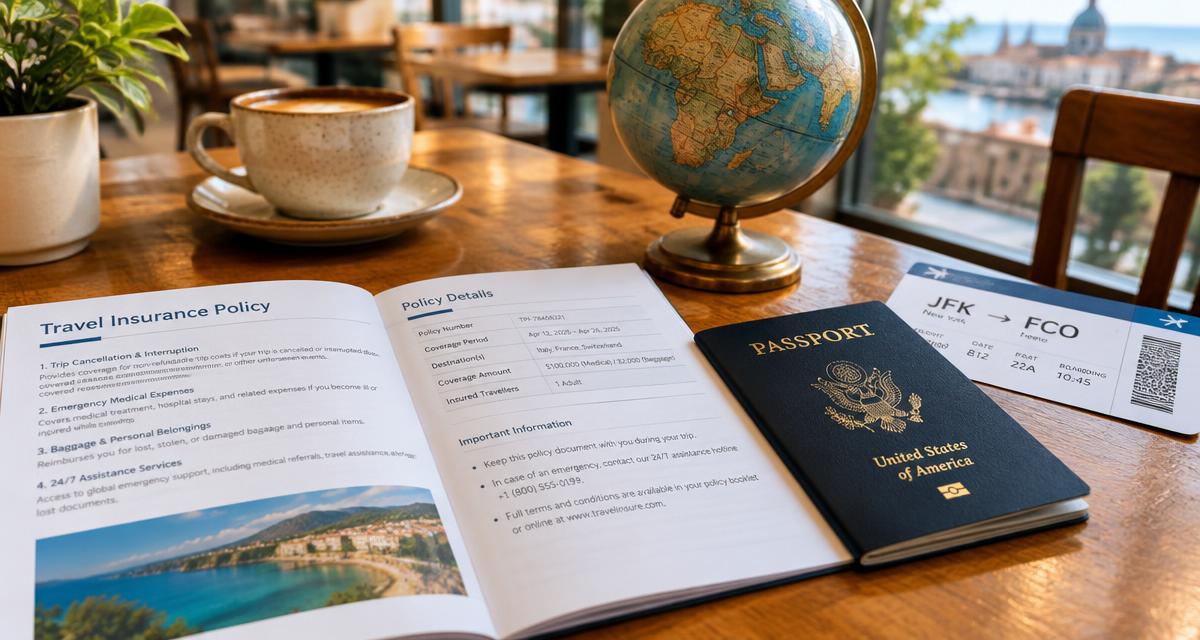
Start with the schedule or certificate: names, destination area, dates, trip-length limit and selected activities. Then check the benefits table, but do not stop there. A generous-looking limit is useful only if the event qualifies.
- Read definitions for terms such as “close relative,” “unattended” and “pre-existing condition.”
- Find covered reasons, section-specific exclusions and general exclusions.
- Check whether limits apply per person, per item, per claim or across the policy.
- Identify excesses, approval requirements, reporting deadlines and required evidence.
Check when cancellation protection starts and when other benefits begin. Annual policies may cap each individual trip and restrict age, destinations or activities. If something important is unclear, describe your actual circumstances to the insurer and keep its written response. Marketing summaries are not a replacement for the contract.
7. Buy deliberately, then make claiming easier
Once you have committed money to a trip, consider arranging suitable cancellation cover promptly. Waiting until departure leaves earlier events uninsured, and buying after a problem becomes known generally will not solve it. Check any eligibility requirements and time-sensitive options before purchasing.
Keep your policy, assistance number, booking confirmations and relevant medical declarations somewhere accessible offline. If something goes wrong, take reasonable steps to limit further losses, follow reporting instructions and retain receipts, reports and correspondence. Contact assistance before arranging major treatment or replacement travel where required and practicable.
Add those documents to your overseas travel checklist. The aim is not to insure every inconvenience. It is to understand which risks you are handing over, which you are keeping, and what to do when you need help.